
 English
 Español
 Deutsch
 한국어
한국어


Choosing the Right Airless Bottle for skincare products is an important decision for Cosmetic Brands, skincare manufacturers, and packaging wholesalers. The right packaging does more than hold a formula. It affects how the product is dispensed, how customers use it, how the brand looks on the shelf, and how smoothly the product moves from manufacturing to delivery.
With so many Airless Bottle Sizes, materials, Pump designs, and decorative finishes available, it can be difficult to know which option is suitable for a particular skincare product. A facial serum may need a different airless bottle from a thick moisturizing cream. A premium skincare brand may focus on appearance, while a wholesale buyer may pay more attention to cost, production capacity, and delivery.
This guide explains how to choose the right airless bottle for skincare products. We will look at formula compatibility, Bottle Capacity, pump performance, material selection, Airless Packaging design, customization, quality control, and supplier evaluation. Whether you are developing a new skincare brand or purchasing Cosmetic Packaging in bulk, these practical points can help you make a more suitable choice.
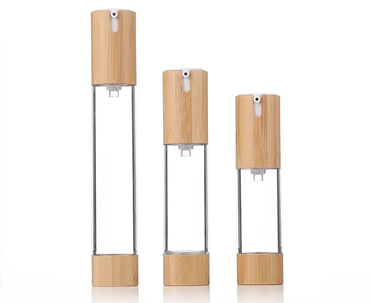
Why Choosing the Right Airless Bottle Matters
An airless bottle is a cosmetic container that uses a specialized dispensing system to move skincare products toward the outlet. Many designs use a movable piston, while others use a flexible inner bag or another internal structure. When the pump is pressed, the product is pushed through the dispensing system instead of being drawn upward through a conventional dip tube.
This design makes an airless bottle useful for many skincare applications. It can provide controlled dispensing, reduce unnecessary exposure to outside air during normal use, and create a clean packaging appearance. However, these benefits depend on selecting a bottle that matches the actual formula and product requirements.
A poorly matched airless bottle can create problems during daily use. The pump may dispense too little product, the formula may not flow smoothly, or the bottle may leave a noticeable amount of product inside. In some cases, the package may look attractive but fail to perform well during production or transportation.
Choosing the right airless bottle means looking beyond the external design. The bottle body, internal piston, pump head, cap, material, and filling process must work together. A reliable packaging decision should balance appearance, performance, cost, and long-term usability.
1. Start With the Skincare Formula
The first step in choosing an airless bottle is understanding the skincare formula. This is more important than choosing a particular color or bottle shape. Different formulas have different flow properties, ingredient combinations, and dispensing requirements.
For example, a lightweight facial serum may flow easily through a small pump outlet. A thick moisturizing cream may require a different pump structure and a larger dispensing path. A lotion with a medium viscosity may work with several airless bottle designs, but the actual performance still needs to be tested.
Before selecting an airless bottle, collect the following information about the formula:
Product type, such as serum, lotion, cream, or moisturizer.
Formula viscosity and flow behavior.
Oil content, solvents, fragrances, and active ingredients.
Whether the formula contains particles or suspended ingredients.
Recommended dispensing quantity.
Filling temperature and filling method.
Expected storage and transportation conditions.
This information helps the packaging supplier recommend a suitable airless bottle. If the formula is thick or has unusual flow characteristics, the supplier may need to recommend a specific pump head or internal structure.
Airless Bottle for Facial Serum
Facial serum is a common application for an airless bottle. Serums are often used in relatively small quantities, so controlled dispensing can be helpful. A compact airless bottle can also provide a convenient packaging format for daily skincare routines.
However, not every serum has the same viscosity. A watery serum, a gel serum, and an oil-based serum may behave differently. The selected airless bottle should be tested with the actual formula to confirm smooth dispensing and suitable output.
Airless Bottle for Lotion
Lotions are another common application. A lotion airless bottle should provide a pump system that matches the formula's flow properties. The bottle capacity may also be larger if the product is intended for frequent application.
When evaluating an airless bottle for lotion, check the pump output, pressing force, dispensing consistency, and remaining product inside the package.
Airless Bottle for Cream
Thick creams require special attention. A cream may not flow through a pump as easily as a lightweight serum. The internal dispensing structure and pump outlet must be suitable for the product's viscosity.
For thick skincare products, sample testing is essential. A bottle that works well with lotion may not work equally well with a thicker cream. Confirm the formula compatibility before ordering a large quantity.
2. Choose the Right Airless Bottle Capacity
Capacity is one of the most visible differences between airless bottle products. The Right Capacity depends on the product category, customer usage habits, target market, packaging budget, and brand positioning.
Common airless bottle capacities include 15ml, 30ml, 50ml, and 100ml. Other capacities may also be available depending on the manufacturer's product range and mold options.
| Airless Bottle Capacity | Possible Skincare Applications | Selection Considerations |
|---|---|---|
| 15ml | Eye care products, small skincare products, trial sizes. | Compact size and convenient for products used in small quantities. |
| 30ml | Facial serum, concentrated skincare products. | Suitable for many daily facial skincare routines. |
| 50ml | Facial cream, moisturizer, lotion. | A practical size for many standard skincare packages. |
| 100ml | Body lotion, larger skincare products. | Useful when customers need a larger quantity for regular use. |
These applications are examples, not fixed rules. A 30ml airless bottle can be used for products other than serum, and a 50ml airless bottle may be suitable for different formulas depending on the product design.
Consider Product Usage Frequency
Think about how often customers will use the skincare product. A facial serum applied once or twice daily may be suitable for a smaller capacity. A body lotion used frequently may require a larger airless bottle.
The product's recommended application quantity also matters. A bottle that is too small may require frequent replacement, while a bottle that is too large may be inconvenient for travel or daily handling.
Consider Target Market and Pricing
Capacity affects the amount of formula in each package and may influence the final retail price. Premium skincare brands may choose a compact airless bottle with a refined appearance, while mass-market products may require a practical balance between capacity and cost.
For wholesale buyers, capacity also affects carton dimensions, shipping weight, storage space, and order planning. Confirm the actual filled capacity and external dimensions with the supplier before making a purchasing decision.
3. Select the Suitable Airless Bottle Material
Material selection is another important part of choosing the right airless bottle. Common cosmetic packaging materials include PP, AS, PET, and other plastics. The choice depends on the bottle structure, appearance, formula compatibility, manufacturing process, and cost.
PP Airless Bottle
PP, or polypropylene, is widely used in plastic packaging. A PP airless bottle may be suitable for brands looking for a practical packaging solution with a particular material specification.
PP can be used in different molded components, including certain bottle bodies, closures, and internal parts. The actual material combination should be confirmed with the manufacturer because an airless bottle may contain multiple materials.
AS Airless Bottle
AS, or acrylonitrile styrene, is another plastic material used in cosmetic packaging. It is often considered when appearance and rigid molded components are important.
An AS airless bottle may offer a different visual effect from a PP airless bottle. The final choice should consider the intended design, decoration, structure, and formula requirements.
PET Airless Bottle
PET is also used in cosmetic packaging applications. Its suitability depends on the specific bottle design and the requirements of the skincare formula.
When comparing materials, do not judge only by appearance. Confirm material specifications, compatibility testing, durability, and the intended use of the finished package.
Check Material Compatibility
The skincare formula may come into contact with the bottle body, pump components, seals, and internal dispensing parts. Some ingredients can interact with certain materials or affect packaging performance over time.
For formulas containing oils, fragrances, solvents, or active ingredients, material compatibility testing is especially important. A qualified supplier should be able to discuss material options and provide suitable samples for evaluation.
4. Evaluate the Airless Pump Bottle Performance
The pump is one of the most important components of an airless bottle. Even if the bottle body looks attractive, the finished package will not perform well if the pump is difficult to press or cannot dispense the formula consistently.
Pump Output
Pump output refers to the approximate amount of product dispensed during one complete pump action. The suitable output depends on the skincare product and the recommended application quantity.
A facial serum may require a smaller output, while a lotion may benefit from a larger output. These are general examples. The actual pump output should be selected according to the formula and tested with the finished airless bottle.
Pressing Force
Pressing force affects the user experience. If the pump is too difficult to press, customers may find the product inconvenient to use. If the pump is too sensitive, accidental dispensing may occur during handling.
Test the pump several times and evaluate whether the pressing action feels smooth and consistent. Also check whether the pump returns to its original position after dispensing.
Dispensing Consistency
A suitable airless bottle should provide stable dispensing performance throughout normal use. The first few pumps, middle-stage dispensing, and final-stage dispensing should be evaluated.
Some Airless Bottles may require initial priming before product appears. This can be normal for certain designs. However, excessive priming or inconsistent output may indicate that the bottle and formula are not well matched.
Leakage and Sealing
Leakage testing is essential for cosmetic packaging. Check the pump connection, collar, cap, bottle body, and internal sealing structure.
For export orders, evaluate the airless bottle under suitable transportation conditions. Packaging should protect the product from leakage, scratches, deformation, and other damage during handling.
5. Understand the Airless Bottle Internal Structure
The internal structure is what makes an airless bottle different from many conventional Cosmetic Bottles. Understanding this structure can help buyers choose a package that matches their product requirements.
Piston-Style Airless Bottle
A piston-style airless bottle uses a movable piston inside the product chamber. As the pump dispenses product, the piston moves upward and helps push the remaining formula toward the outlet.
This structure does not rely on a conventional dip tube to draw product from the bottom. It is commonly used in airless cosmetic packaging because it supports controlled product movement.
Flexible Inner Bag Airless Bottle
Some airless bottle designs use a flexible inner bag or pouch. The bag changes shape as product is dispensed, helping deliver the formula through the pump system.
The advantages and limitations depend on the specific design. Buyers should ask the supplier which internal structure is used and how it works with the intended skincare formula.
Why Internal Structure Matters
The internal structure affects filling, dispensing, sealing, remaining product, and overall packaging performance. A bottle may have the right external capacity but still require a different internal system for a particular formula.
When selecting an airless bottle, ask about the piston movement, pump compatibility, filling method, and expected product recovery. These details are especially important for creams and other formulas with unusual flow properties.
6. Consider the Bottle Shape and Cosmetic Packaging Design
Appearance is a major consideration for skincare brands. Cosmetic packaging is part of the customer experience, and an attractive airless bottle can help communicate the product's positioning.
Airless bottles are available in different shapes, including cylindrical, square, oval, and other customized designs. The right shape depends on the brand's visual identity, product capacity, manufacturing requirements, and intended market.
Simple and Clean Design
A simple airless bottle design can create a clean and professional appearance. This style may be suitable for skincare brands that want their packaging to communicate clarity and everyday usability.
Premium Cosmetic Packaging
Premium skincare products may require a more refined airless bottle with special surface finishes, metallic details, or a distinctive shape. The packaging should match the product's positioning without creating unnecessary production complexity.
Ergonomic Handling
The bottle should be comfortable to hold and use. Consider the bottle diameter, height, weight, pump position, and cap design.
A bottle that looks attractive but is difficult to hold may create a poor user experience. Request physical samples and test the airless bottle in real daily-use conditions.
7. Choose the Right Airless Bottle Decoration
Decoration helps skincare brands create a recognizable packaging appearance. Depending on the bottle material and design, manufacturers may offer several finishing options.
Color Matching
Color matching allows the airless bottle to follow the brand's packaging design. The bottle body, pump head, and cap may use different colors or finishes.
Always request color samples before mass production. Material, lighting, surface texture, and production conditions can influence the final appearance.
Silk-Screen Printing
Silk-screen printing can be used to add product names, logos, decorative patterns, and other information to an airless bottle.
Printing quality depends on the bottle surface, ink, design, and production process. Confirm the print area, color requirements, and sample approval process with the supplier.
Hot Stamping
Hot stamping is commonly used to create metallic decorative effects on cosmetic packaging. It may be suitable for brand names, product information, or decorative details.
Frosting and Electroplating
Frosting can create a matte or soft surface effect, while electroplating may provide a metallic appearance. These processes should be selected according to the bottle material, design, and intended use.
For a Custom Airless Bottle, confirm which finishing processes are available and whether they are suitable for the selected bottle material.
8. Check Airless Bottle Filling and Production Requirements
Packaging selection should also consider how the airless bottle will be filled and assembled. A bottle that performs well in theory may still require special production conditions.
Filling Method
Airless bottles may use different filling methods depending on the internal structure. Some designs are filled through the bottom, while others use a specific filling opening or assembly process.
Confirm the filling method with the supplier before mass production. The filling equipment and process should be compatible with the bottle design and formula.
Assembly Requirements
The bottle body, piston, pump head, collar, and cap must be assembled correctly. Poor assembly may affect dispensing performance or sealing.
Ask the supplier about assembly procedures, inspection standards, and quality control during production.
Production Capacity
For wholesale buyers, production capacity is important. Confirm whether the supplier can handle the required order quantity and delivery schedule.
Also ask about mold development, minimum order quantity, sample lead time, mass production lead time, and packaging arrangements. Clear communication helps reduce delays and unexpected costs.
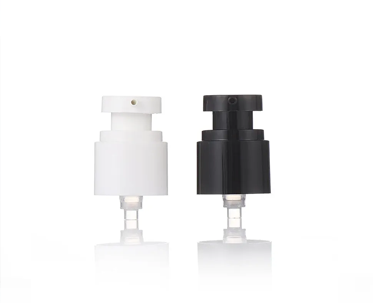
9. Evaluate Airless Bottle Quality Control
Quality control is essential when choosing an airless bottle for skincare products. The bottle should not only look good but also meet the actual performance requirements of the formula and intended use.
Appearance Inspection
Check the bottle surface, color, shape, flash, scratches, deformation, and decoration quality. Cosmetic packaging is highly visual, so appearance consistency matters.
Dimensional Inspection
Dimensions should be checked to confirm that the bottle body, pump head, collar, and cap fit together correctly. Consistent dimensions help support stable assembly and appearance.
Dispensing Tests
Test the pump action, output consistency, priming, and remaining product. Use the actual skincare formula whenever possible.
Leakage Tests
Evaluate the sealing performance of the airless bottle. Check whether the package leaks during normal handling and suitable transportation testing.
Formula Compatibility
Evaluate whether the formula remains suitable in contact with the selected packaging materials. Compatibility testing is particularly important for formulas containing oils, fragrances, solvents, and active ingredients.
10. Choose a Reliable Airless Bottle Manufacturer
A Reliable Manufacturer can make the process of selecting and purchasing an airless bottle much easier. The supplier should understand cosmetic packaging, provide clear product information, and support sample testing before mass production.
When evaluating an airless bottle manufacturer, consider the following points:
Does the company have its own manufacturing factory?
Does it have mold development and injection molding capabilities?
Can it provide airless bottle samples for testing?
Does it offer OEM and ODM customization?
Can it provide suitable pump heads and material information?
Does it have quality inspection procedures?
Can it support export packaging and international delivery?
Can it communicate clearly about costs, lead times, and order requirements?
These questions help buyers compare suppliers based on actual production capability rather than price alone.
Why Choose Yuyao Dingyu Plastic Industry Co., Ltd. for Airless Bottles?
Yuyao Dingyu Plastic Industry Co., Ltd. is a cosmetic packaging manufacturer located in Yuyao, Ningbo, Zhejiang Province, China. Founded in 2014, the company owns its manufacturing factory and specializes in cosmetic packaging, with Airless Cosmetic Bottles as a flagship product category.
The company operates a manufacturing facility covering approximately 5,000 square meters. Its equipment includes mold development workshops, multiple injection molding machines, and complete testing instruments.
In addition to airless bottles, the company offers lotion bottles, perfume bottles, PET bottles, and other beauty packaging solutions. This product range allows cosmetic brands and packaging traders to discuss different packaging requirements with one supplier.
OEM and ODM Airless Bottle Services
Yuyao Dingyu provides OEM and ODM services based on customer drawings or samples. Available services include new mold development, color matching, silk-screen printing, hot stamping, electroplating, frosting, and other surface finishes.
Matching pump heads are also available. Customers can discuss bottle capacity, material, pump structure, appearance, and other packaging requirements according to their skincare products.
Sample Support Before Mass Production
Sample testing is an important part of cosmetic packaging development. Yuyao Dingyu can provide samples for customer evaluation, helping buyers check appearance, dispensing performance, and packaging suitability before confirming mass production.
For skincare brands, this process can help identify packaging problems early and reduce the risk of selecting an unsuitable airless bottle.
Manufacturing and Export Experience
Yuyao Dingyu serves customers in North America, South America, Europe, Southeast Asia, the Middle East, Australia, and other regions. The company has established foreign-trade workflows and self-operated import and export rights.
The company states that customer inquiries are answered within 24 hours and tailored solutions can be delivered within one week. Actual project timing depends on the design, sample requirements, mold development, and order details.
Common Mistakes When Choosing an Airless Bottle
Many packaging problems can be avoided by considering the complete product requirements before placing an order. Here are several common mistakes to avoid.
Choosing Only by Appearance
An attractive airless bottle is not necessarily suitable for every skincare formula. Always test the dispensing system with the actual product.
Ignoring Formula Viscosity
A pump designed for a lightweight serum may not work well with a thick cream. Confirm viscosity and dispensing requirements before selecting the bottle.
Not Checking Pump Output
Different pump heads may dispense different quantities. Choose a pump output that matches the recommended application amount.
Skipping Sample Testing
Samples help identify problems with dispensing, sealing, color, decoration, and assembly. Do not rely only on product photographs.
Focusing Only on Unit Price
The cheapest airless bottle may not be the most economical choice if it creates leakage, dispensing problems, or production delays. Consider the complete packaging cost and product performance.
Not Confirming Delivery Requirements
For wholesale and export orders, confirm the production schedule, packaging method, shipping arrangements, and inspection requirements in advance.
Airless Bottle Selection Checklist
Before confirming your airless bottle order, use this checklist to review the main requirements:
Confirm the skincare formula type and viscosity.
Select a suitable airless bottle capacity.
Confirm the bottle body and component materials.
Choose a suitable pump head and output.
Check piston or inner bag compatibility.
Evaluate bottle shape and ergonomic handling.
Confirm color matching and decoration requirements.
Request samples for testing.
Test dispensing, leakage, and sealing.
Confirm filling and assembly requirements.
Discuss minimum order quantity and production lead time.
Confirm export packaging and delivery arrangements.
Frequently Asked Questions About Choosing an Airless Bottle
What size airless bottle is best for facial serum?
A 30ml airless bottle is a common option for facial serum, but the best size depends on the formula, recommended usage, and product positioning. A 15ml or 50ml airless bottle may also be suitable for certain serum products.
Is an airless bottle suitable for thick cream?
Some thick creams can be used in an airless bottle, but the pump and internal dispensing structure must match the formula. Always test the actual cream with the selected bottle before mass production.
Which is better, a PP or AS airless bottle?
Neither material is automatically better for every skincare product. PP and AS have different material characteristics and may suit different packaging designs. The decision should consider formula compatibility, appearance, structure, decoration, and cost.
Can I customize an airless bottle with my logo?
Yes. Depending on the bottle material and design, customization may include silk-screen printing, hot stamping, color matching, frosting, electroplating, and other surface finishes. Confirm the available options with the manufacturer.
How can I know if an airless bottle is high quality?
Request samples and inspect the bottle body, pump, cap, internal structure, dispensing performance, sealing, and decoration. Testing with the actual skincare formula is especially important.
Can an airless bottle protect skincare products from air?
An airless bottle is designed to reduce unnecessary air exchange during dispensing. It may help support suitable formulas, but it does not guarantee complete protection from oxygen or contamination. The actual performance depends on the packaging design, sealing, formula, and manufacturing quality.
Can an airless bottle be refilled?
Some airless bottles are specifically designed to be refillable, while others are intended for single use. Confirm the refill structure and manufacturer's instructions before choosing a Refillable Airless Bottle.
Conclusion: How to Choose the Right Airless Bottle for Skincare Products
Choosing the right airless bottle for skincare products requires more than selecting an attractive container. The best choice should match the formula, capacity, pump output, material, internal structure, appearance, and production requirements.
Start by understanding the skincare formula. Then choose a suitable capacity, evaluate the pump performance, confirm material compatibility, and test the complete airless bottle with the actual product. For custom packaging, consider mold development, color matching, printing, hot stamping, frosting, and other finishing options.
For cosmetic brands and packaging wholesalers, a reliable manufacturer can provide valuable support throughout the process. Yuyao Dingyu Plastic Industry Co., Ltd. offers airless Cosmetic Bottles, OEM and ODM services, mold development, matching pump heads, surface finishing, and sample support for different beauty packaging needs.
If you are looking for the right airless bottle for skincare products, the most practical approach is to request samples and discuss your formula, capacity, design, and order requirements with a professional supplier. A suitable airless bottle can help create a better dispensing experience, support attractive cosmetic packaging, and provide a practical foundation for your skincare product.



 WhatsApp
 Téléphone
 E-mail
 message
Commentaire
(0)